≡
  • About USCTI
    • About USCTI / How To Join
    • Tariff and Trade Restriction Advocacy Efforts
    • USCTI Scholarship Program
    • Organization and Leadership
    • Committees
  • Membership
    • Members
    • Products
      • Carbide Tooling
      • Drill & Reamer
      • Metal Cutting Saw Blades
      • Milling Cutter
      • PCD & PCBN
      • Substrate Materials
      • Surface Coating
      • Tap & Die
      • Tool Holder
      • All Other Tooling
  • USCTI Meeting
    Sponsorship
  • Events
    • Meeting Photos
      • 2015 USCTI Fall Meeting Photos
      • 2015 USCTI Spring Meeting Photos
      • 2014 USCTI Fall Meeting Photos
      • 2014 USCTI Spring Meeting Photos
    • Meeting Programs
      • USCTI 2021 Fall Institute Meeting Program
      • USCTI 2021 Spring Institute Meeting Program
      • USCTI 2019 Fall Institute Meeting Program
      • USCTI 2019 WCTC Meeting Program
      • USCTI 2018 Fall Institute Meeting Program
      • USCTI 2018 Spring Institute Meeting Program
      • USCTI 2017 Fall Institute Meeting Program
      • USCTI 2017 Spring Institute Meeting Program
      • USCTI 2016 Fall Institute Meeting Program
      • WCTC 2016 Meeting Program
    • Recognition Letters
      • Charles Stockinger Recognition Letters -
        2015 USCTI Spring Meeting
  • News
    • News Releases
    • Cutting Tool Informer
    • Articles and Trade Publications
  • Technical
    Resource Center
  • Contact Us
 
Toggle Menu
  • ABOUT USCTI /
    HOW TO JOIN
  • TARIFF AND TRADE RESTRICTION ADVOCACY EFFORTS
  • USCTI SCHOLARSHIP PROGRAM
  • ORGANIZATION AND LEADERSHIP
  • COMMITTEES

About USCTI > Tariff and Trade Restriction Advocacy Efforts


Timeline

March 19th
USCTI submitted comments on the Design of a Plurilateral Agreement on Trade in Critical Minerals and Policy Actions To Strengthen the Resilience of Critical Mineral Supply Chains.

April 15th
USCTI submitted comments in connection with USTR’s Section 301 investigations relating to structural excess capacity and production in manufacturing sectors.

April 28th
Jeff Cederstrom, ARCH Cutting Tools and USCTI Board of Directors representative testified at the Section 301 Hearings on behalf of USCTI.

May 7th
K&L Gates testified at the Section 301 Hearings on behalf of USCTI.

May 11th
K&L Gates, USCTI Board member Mark Mullen (Griggs Steel), Susan Orenga, Executive, Director of USCTI, USCTI Board member, Jeff Cederstrom (ARCH Cutting Tools), USCTI President, Mike Stokey (Allied Machine & Engineering), Brett Dibskey (Harvey Performance Company) and Michael Billiel (Star Cutter) met in D.C (shown above) with representatives from Office of the Secretary of Defense, Office of United States Trade Representative (USTR) - Office of Critical Minerals and Metals, U.S. Department of Commerce, and Director of American Manufacturing, Executive Office of the President.

As tariff and trade issues affect the cutting tool industry, USCTI is actively supporting its members as they navigate challenges related to high-speed steel tariffs and trade restrictions on carbide. Through industry coordination, information sharing, and advocacy, USCTI provides a valuable voice for member companies. To learn more about how USCTI membership can support your company, contact us at uscti@uscti.com. Please bookmark this page for ongoing updates.

The U.S. Cutting Tool Industry

  • The United States Cutting Tool Institute (USCTI) is a trade association comprised of American cutting tool manufacturers, producing both high-speed steel and carbide tools.
  • Our industry directly employs ~40,000 citizens and generates ~$5 billion of taxable income; indirectly supplies tools that employs ~5 million citizens and generates ~$1 trillion of economic output.
  • We produce mission critical tools used by manufacturers in our country's most important industries: Aerospace, Defense, Energy (Oil & Gas), Medical (implants), and Advanced Manufacturing.

The Challenge: Carbide Trade Restrictions

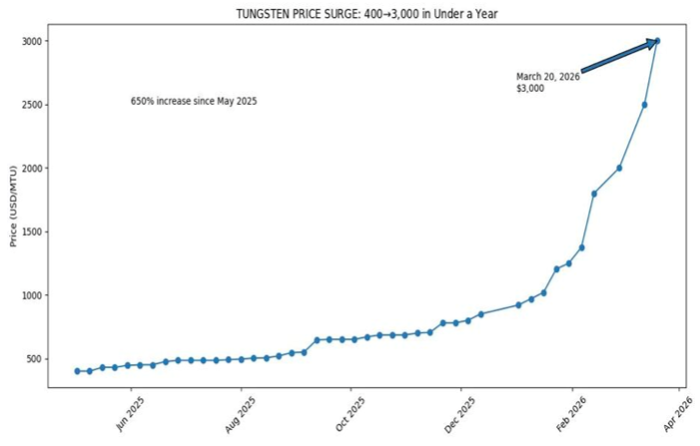
The cost of Carbide has increased ~750% in under a year; availability is becoming a major concern

  • Tungsten is the main raw material input for cutting tools
  • China is using its near monopoly (~90% of global total) on tungsten to restrict sale and export of tungsten to the U.S.
  • There will be a severe shortage in the U.S. in the near term if China does not take action to loosen supply
  • While input costs are a major risk to our businesses, carbide availability is the real threat to American economic and national security

The Challenge: High Speed Steel Tariffs

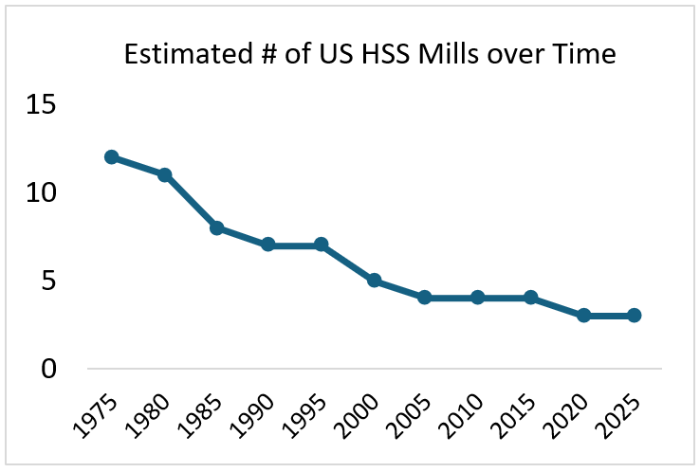
Tariffs are negatively impacting High-Speed Steel (HSS) tool manufacturers given a severely limited domestic production base

  • Today, only three mills make a small portion of the High-Speed steel products used in cutting tools.
  • Supply options are very limited from U.S. steel manufacturers.
  • Tariffs on high-speed steel are hurting U.S. based cutting tool manufacturers & customers – products are only available via import, and the impact of tariffs is >$40 million for these firms.

Why it Matters: Impacts to our Economy

Carbide
  • Entrance of more Chinese cutting tool manufacturers into our domestic market, taking share from American manufacturers
  • Increased costs to customers have caused market uncertainty, lower sales and delayed capital investment
  • Working-capital squeeze (more cash tied up in WIP/finished goods and carbide stock).
  • Pricing pressure / lost quotes as competitors lock pricing or customers delay orders.
High Speed Steel
  • Tariffs provide competitive advantage for European Union, South American and Asian Cutting Tool manufacturers due to the higher material cost burden facing US Cutting Tool Manufacturers.
  • Foreign competition without tariff impact direct shipping into Mexico and Canada - stealing market share.
  • Inability for HSS cutting tool manufacturers to pursue export business.
  • Increased costs to customers have caused market uncertainty, lower sales, and a competitive disadvantage

What the Cutting Tool Industry Needs to Help Secure National Interests

  Shorter Term Longer Term
Carbide Negotiate with China to loosen export limits, export restrictions, and domestic production limits
-AND/OR-
Secure greater portion of Chinese exports to United States
Continue investing in U.S. & allied tungsten supply - mining and refining/ processing capacity

High Speed Steel Allow a quota system for this product category from Japan, Europe, Brazil and Taiwan
-AND/OR-
Provide a lower tariff rate for High-Speed steel (15% or 25%) or full tariff exemptions
Invest in U.S. steel manufacturers who had to close or limit supply
≡
  • About USCTI
  • Membership
  • USCTI Meeting
    Sponsorship
  • Events
  • News
  • Technical
    Resource Center
  • Contact Us
  • Sitemap
  • Privacy Policy
United States Cutting Tool Institute 1300 Sumner Avenue, Cleveland, OH 44115-2851 uscti@uscti.com ©2016